
Understanding East Cobb Housing Market Drivers Today
November 21, 2025
November 21, 2025
What if you could predict what your East Cobb home might sell for before you ever hit the market? You can get close when you understand the handful of forces that move prices here. Whether you plan to sell or buy, knowing these drivers helps you make smart, confident decisions.
In this guide, you’ll learn the market factors, property features, and location details that shape value in East Cobb. You’ll also get a simple checklist to size up listings and a practical way to read comps like a pro. Let’s dive in.
East Cobb prices rise or fall with supply, demand, and financing. When there are fewer homes for sale, prices tend to push up and days on market usually shorten. When more homes hit the market, buyers gain leverage and negotiations lengthen.
Keep an eye on local metrics such as active listings, months of supply, pending-to-active ratio, and median days on market. You can review trends through local sources like the Georgia MLS or public market snapshots. The direction of these numbers often tells you where prices are heading next.
Mortgage rates directly affect what buyers can afford. A small rate change can shift a monthly payment enough to change price brackets across East Cobb. For the latest trend line, check the Freddie Mac weekly rate summary and compare payments for typical loan amounts in your price range.
If rates drop, more buyers can step up in price. If rates rise, some shoppers pause or reset budgets, which can cool demand and slow appreciation.
Employment growth across Atlanta’s core job hubs boosts buyer demand for suburbs like East Cobb. Regional planning resources such as the Atlanta Regional Commission provide context on growth, commuting, and major employment trends.
Seasonality also plays a role. Spring and early summer often bring more listings and more buyers. Late fall and winter can see slower activity, which may soften sale prices or extend timelines. Short-term market shifts of just a few months can matter when you compare comps.
Changes to millage rates, reassessments, or major road projects can influence how buyers view value. You can track zoning updates and planning initiatives through Cobb County planning and verify property records or lot details through the Cobb County Tax Assessor.
In East Cobb, proximity to I-75 and GA-400 often shows up in prices. Shorter drive times to Perimeter, Buckhead, and downtown Atlanta are a real plus for many buyers. Homes near convenient interchanges or direct arterials typically see stronger demand.
Actual drive time matters more than distance. A home closer to an interchange but stuck on a busy collector can take longer to reach the highway than one slightly farther away with better arterial access. For data-backed context on traffic patterns, explore GDOT traffic data. If bus access is important, look at CobbLinc bus routes.
Access to daily needs also supports value. Short drives to grocery, medical offices, and retail hubs can raise a home’s appeal. Buyers often pay premiums for convenience that improves everyday routines.
Some features carry more pricing power than others. When you compare homes, focus on the items below.
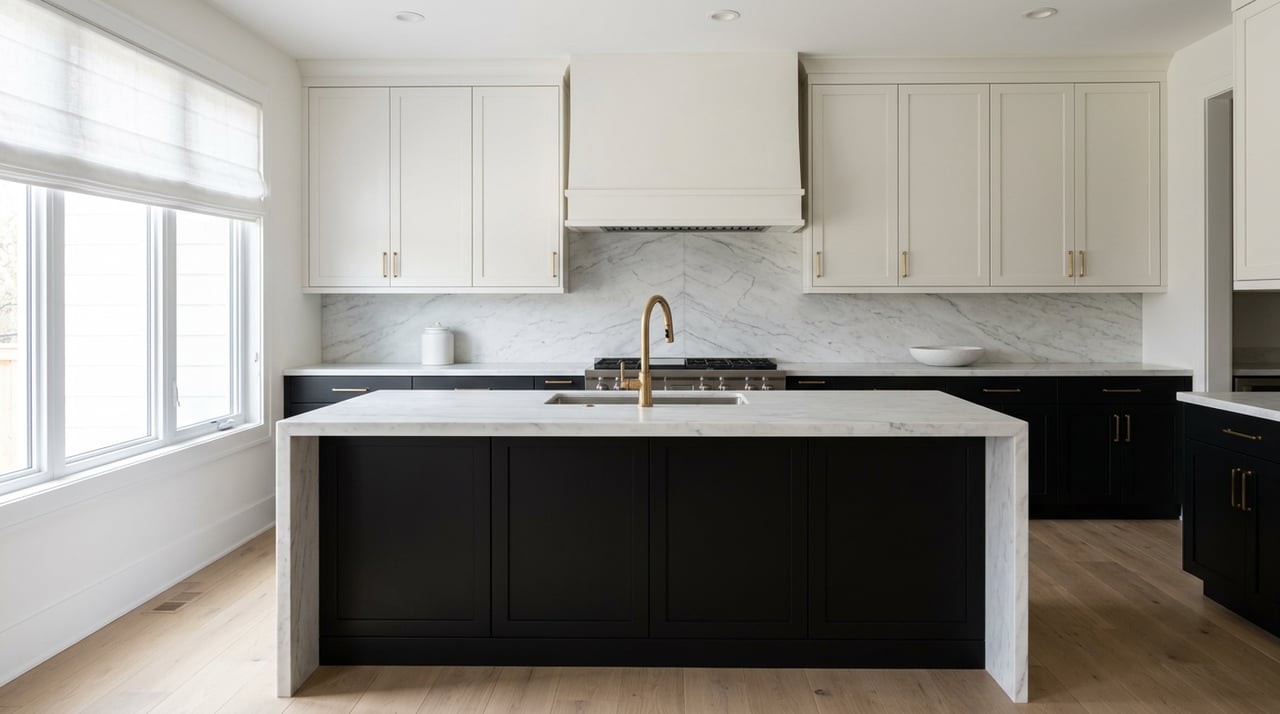
Kitchens and primary bathrooms have outsized influence on perception and price. Fresh paint and flooring help marketability, but mid to major updates, like a kitchen remodel or adding an en suite, can support higher values. National benchmarks such as the Remodeling Cost vs. Value report give a grounded view of typical ROI ranges.
Price per square foot is a useful quick check, but layout matters. Open living areas, a proper family room, and a finished basement or bonus room can drive stronger results than raw square footage alone. Distinguish between finished and unfinished space, and note how buyers will use each area.
A full bath often moves value more than an extra bedroom. A true primary suite is a meaningful draw. Powder rooms add appeal for guests, but they carry smaller price impact than full baths.
In East Cobb, buyers often value mature trees, privacy, and usable yard space. Larger, flatter lots and fenced backyards tend to command premiums. Compare usable yard area, not just total acreage or lot size on paper.
Two-car garages are a common expectation. Larger garages, extended driveways, or dedicated boat and RV parking can set a home apart for buyers who need extra storage.
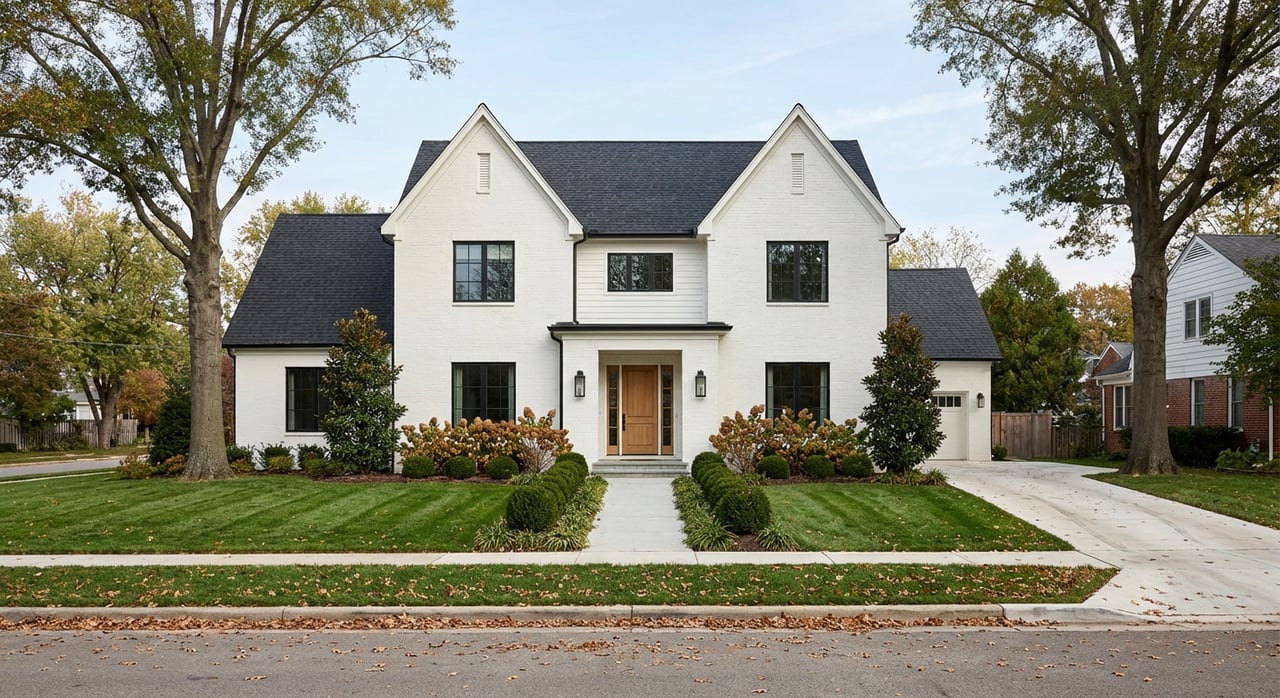
The condition and age of the roof, HVAC, windows, and major systems matter to appraisers and buyers. Newer systems can reduce risk and boost confidence. Strong curb appeal, sound exterior materials, and tidy landscaping help drive showing traffic and offers.
Outdoor living spaces, pools, smart-home upgrades, and generators can differentiate your home. Their value is buyer dependent and market specific, so weigh them against nearby comps.
In some well-located pockets, the land itself can be a major part of value, especially where new builds occur. In those cases, recent new construction sales are essential references when pricing.
East Cobb includes many swim and tennis communities. These amenities are attractive for many buyers and can support a premium over similar homes without them. Always check whether amenities are part of an HOA, along with dues and access rules.
Public schools also shape demand. Buyers often watch zones for high schools such as Walton, Lassiter, and Pope. For current boundaries and performance details, consult the Cobb County School District and review third-party snapshots on GreatSchools. Use neutral, fact-based information and confirm zones before you buy or list.
Parks, trails, and green space add to daily enjoyment. Proximity to recreational areas can raise appeal for many buyers, especially in established neighborhoods with mature trees and buffers.
Here is a practical way to pull and interpret comparable sales.
Collect recent sold prices from the last 3 to 6 months when possible. Add active and pending listings, price per square foot, median days on market, sale-to-list price ratio, and months of supply. Use local sources like the Georgia MLS and confirm lot sizes and legal info with the Cobb County Tax Assessor.
Aim for 3 to 6 sales from the same neighborhood or an adjacent one with similar age and lot type. Match beds and baths, finished space, and condition as closely as possible. In a slower market, you may expand to 6 to 12 months. In a fast-moving market, lean on the most recent 3 months.
Adjust for size, finished vs. unfinished space, lot size and usability, level of renovations, garage and parking, special features like pools or finished basements, and location differences such as proximity to major roads. If the market has moved since a comp sold, apply a time adjustment that reflects the current direction of prices.
Avoid sales that were not arm’s length, such as family transfers. Be cautious with comps that included unusual seller concessions or special financing. Compare new construction carefully against older homes since lot value and build standards differ.
Use it as a quick filter, then layer in quality, layout, lot, and location. A home with a better floor plan and updated kitchen can outperform a larger but dated property.
Use this simple checklist when you scroll through East Cobb listings:
If you need a precise number for a sale, purchase, or refinance, it is wise to get a professional comparative market analysis or a formal appraisal. A local expert who understands East Cobb micro-markets, traffic patterns, and school zones can help you price with confidence and defend your number.
If you want an appraisal-style pricing plan tailored to your home or a data-driven strategy to buy well, reach out to Unknown Company to Request a Free Home Valuation. You will get clear guidance, local comps, and a plan that fits your goals.
Stay up to date on the latest real estate trends.






Discover your dream home, dream team. Experience our dedication to excellence and personalized service. Let us guide you through the journey of finding your perfect luxury home in the north Atlanta market.