East Cobb Jumbo Loan Limits and Smart Financing Tips
November 21, 2025
November 21, 2025
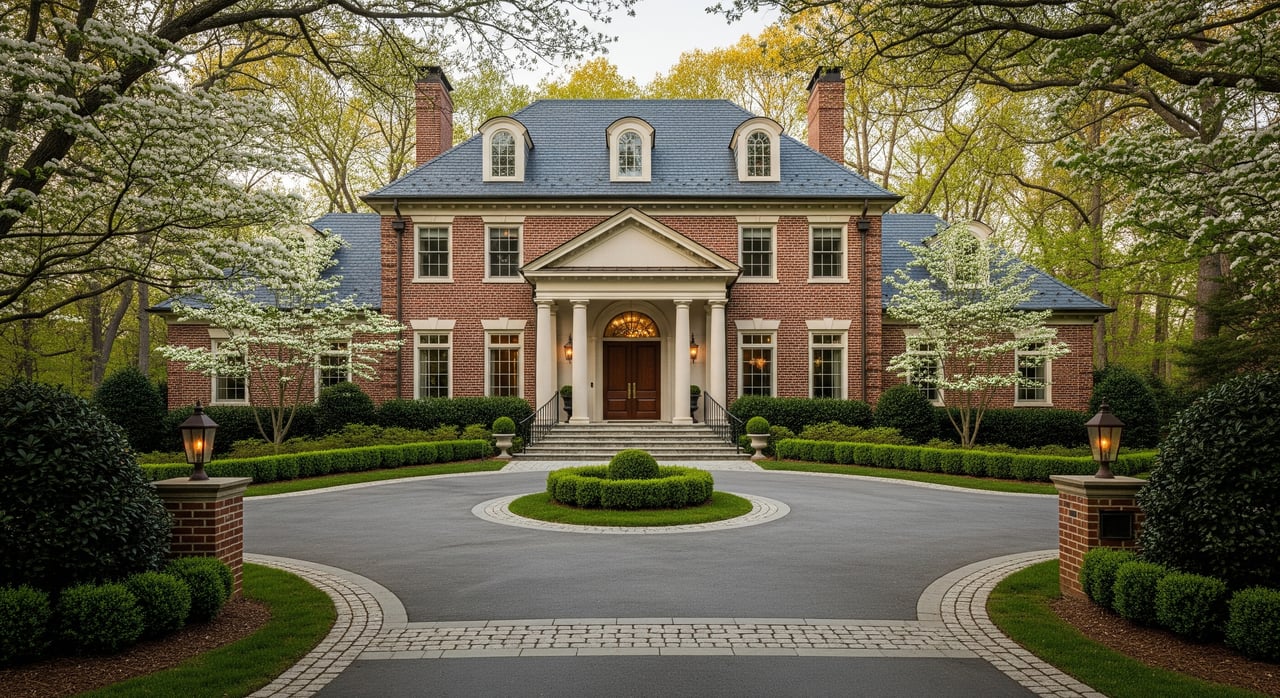
Are you eyeing an East Cobb home where prices bump up against conforming loan limits? You are not alone. Many move-up and luxury buyers in Cobb County reach a price point where jumbo financing becomes part of the conversation. In this guide, you will learn what counts as a jumbo loan, how to tell if you need one, how jumbo underwriting differs, and practical steps to qualify and compete with confidence. Let’s dive in.
Conforming loans meet annual limits set by the Federal Housing Finance Agency. These loans are eligible for purchase or guarantee by Fannie Mae and Freddie Mac. When your loan amount exceeds the conforming limit for your county and property type, it is considered a jumbo loan.
Jumbo loans are not sold to Fannie or Freddie, so lenders set tighter rules. That can mean higher credit score targets, more documented reserves, and a lower debt-to-income ratio. Rates can be a touch higher, but spreads change with the market and lender competition.
East Cobb sits within Cobb County, which follows the FHFA baseline rather than a high-cost limit. Your need for a jumbo comes down to a simple check: loan amount versus the conforming limit for the year.
Use this quick test:
Here is an example using the 2024 baseline single-family conforming limit of 726,200 dollars:
Limits change every year, so confirm the current FHFA number for Cobb County when you are ready to shop.
Conforming limits vary by unit count. A one-unit home uses a different limit than a two- to four-unit property. Second homes and investment properties can also face stricter lender overlays. Even if your loan is conforming, a second home may require stronger credit or more reserves.
Jumbo underwriting is designed to reduce risk for larger loan amounts. While exact rules vary by lender, here are common targets you can expect.
Rates on jumbos can be close to conforming in some markets and wider in others. Your profile, property, and lender choice will drive the final number.
Ask your lender for full pre-underwriting before you shop. This is a deeper review than a basic pre-approval. The lender verifies your income, assets, and credit, then issues a conditional approval with clear conditions.
This helps you compete and reduces surprises later. In East Cobb’s desirable pockets, a strong pre-underwritten letter can also support a shorter finance contingency.
Jumbo programs often want to see substantial reserves. Start building liquid reserves across checking, savings, and brokerage accounts. Retirement accounts can count, though some lenders discount their value for reserve calculations.
Provide clear statements and a paper trail for large deposits. If you are moving funds from a home sale, gifts, or other accounts, keep documentation organized so your lender can source it quickly.
A temporary 2-1 buydown lowers your rate by two percentage points in year one and one point in year two. A permanent buydown uses points to reduce the note rate for the life of the loan.
Buydowns can help your payment and sometimes your qualifying. Some lenders underwrite based on the fully indexed rate, while others consider the reduced payment if the buydown is properly funded, often by the seller. Confirm the policy before you count on it for DTI.
There are several ways to keep your first mortgage at or below the conforming limit or to optimize total cost.
Jumbo pricing and rules vary widely. A lender with sharp rates may ask for higher scores or more reserves. A local portfolio lender may be more flexible for well-qualified East Cobb buyers.
Compare more than the headline rate. Look at loan terms, closing timelines, condo or HOA requirements, and communication during underwriting.
Jumbo underwriting can take a bit longer because of the documentation and appraisal review. Being pre-underwritten can help you offer a tighter timeline.
If you plan to negotiate for a seller-paid buydown, ask your lender for written confirmation of how it will be treated in qualifying. This makes your offer clearer and reduces back-and-forth.
These examples use the 2024 baseline conforming limit of 726,200 dollars for a single-family home. Confirm the current-year limit before you rely on these numbers.
East Cobb includes neighborhoods where list and sale prices can reach or exceed the price bands shown in the examples above. That is why many move-up and luxury buyers here evaluate jumbo financing as part of their plan.
As you set your budget, align your mortgage strategy with the price tiers you are targeting. Confirm the current FHFA limit for Cobb County, then use your planned down payment to see where a conforming loan ends and a jumbo begins.
If you want local guidance grounded in appraisal-level pricing and neighborhood insight, our team is ready to help you align the right home with the right financing approach. Reach out to Heather Abernathy to talk through your East Cobb plans.
Stay up to date on the latest real estate trends.


Discover your dream home, dream team. Experience our dedication to excellence and personalized service. Let us guide you through the journey of finding your perfect luxury home in the north Atlanta market.