Pricing a home in East Cobb can feel like a moving target. You see one sale on your street, another across the neighborhood, and wonder what truly drives value. If you’re buying or selling, you need a clear, defensible way to understand what an appraiser will see. In this guide, you’ll learn the appraisal basics, how comps and adjustments work in East Cobb, what condition and lot factors matter most, and how to prepare. Let’s dive in.
What appraisers actually do
Licensed appraisers provide an independent opinion of market value. They follow the Uniform Standards of Professional Appraisal Practice, known as USPAP, which sets the ethics, development, and reporting rules for the profession. For most mortgage loans, appraisers also follow lender expectations and common reporting forms like the Fannie Mae Uniform Residential Appraisal Report (Form 1004).
In Georgia, appraisers must hold a state license or certification for mortgage work. Lenders order the appraisal and use it to evaluate collateral risk. You, as the buyer or seller, can help support an accurate opinion by presenting clear facts, permits, and comparable sales for the appraiser’s review.
Three approaches to value
Appraisers develop value using one or more approaches and then reconcile their findings.
- Sales Comparison Approach: This is primary for East Cobb single-family homes. The appraiser compares your property to recent, similar closed sales and adjusts for differences.
- Cost Approach: The appraiser estimates what it would cost to replace the home, minus depreciation, and adds land value. This can be helpful for new builds or unique homes.
- Income Approach: Used mainly for rentals or investor scenarios. It is rarely the lead method for owner-occupied homes in East Cobb.
In established East Cobb neighborhoods, the Sales Comparison Approach usually carries the most weight.
How comps are chosen in East Cobb
Selecting the right comparable sales is the backbone of a sound appraisal.
- Recency: Closed sales within the past 3 to 6 months are preferred. In fast-moving markets, even tighter windows may be used.
- Proximity: Appraisers look first within the same subdivision or micro-market. Distance guidelines typically range from a quarter-mile to one mile, depending on neighborhood similarity.
- Similarity: Homes with comparable square footage, age, bedroom and bathroom count, lot size, and construction quality are prioritized.
East Cobb contains a mix of housing ages, lot sizes, and micro-markets. That means a “perfect comp” might be on your street, or just a few blocks away within the same school boundaries, depending on the neighborhood. Closed sales carry the most weight, with pending and active listings providing context for current trends.
How adjustments work
Once the appraiser selects comps, they adjust for differences to align the sales with your home. Adjustments follow a general hierarchy:
- Property rights and financing terms
- Market conditions and time
- Location and neighborhood influences
- Physical characteristics like gross living area and bed/bath count
- Design and utility, including layout and basement finish
- Condition and quality
- Amenities such as pools or garages
- Site and lot factors
Appraisers typically use paired sales analysis to measure how much the market pays for a specific feature, or cost-to-cure estimates when there is a definable fix. Larger adjustments must be supported by market evidence. Unsupported or excessive adjustments are likely to be flagged by reviewers.
Condition and quality: not the same thing
The appraiser will evaluate both the physical condition and the construction quality of your home.
- Condition: Addresses wear, deferred maintenance, and system functionality. Roof, HVAC, plumbing, electrical, and foundation are key.
- Quality: Looks at materials and finishes. Standard, upgraded, or custom finishes can change where your home sits in the neighborhood’s price range.
A clean, well-maintained home with functioning systems tends to show better and can support stronger comparisons. Document upgrades with receipts and permits to strengthen the case for adjustments.
Lot utility and site factors that matter
Lot characteristics play a big role in East Cobb because terrain and location can vary even within the same subdivision.
- Usable yard: Flat, buildable areas are typically more desirable than steep or sloped lots.
- Lot size and shape: Larger, regularly shaped lots often command premiums when house sizes are similar.
- Proximity to traffic and corridors: Being near major roads can affect value, as can buffers and distance from commercial areas.
- Floodplain and drainage: Buyers often discount flood risk and drainage concerns. You can check your property on the FEMA Flood Map Service Center.
- Easements and utilities: Utility corridors and easements may limit usable area. Look up parcel details through the Cobb County Tax Assessor’s parcel records and Cobb County GIS maps.
- Septic vs. sewer: Where present, septic systems can influence value compared with municipal sewer.
- Privacy and tree cover: Many East Cobb buyers value privacy. Mature trees and thoughtful screening can support demand.
The appraiser will evaluate these elements and use local sales to quantify adjustments where the market shows consistent preferences.
Renovations: what adds value here
In East Cobb, appraisers add value for improvements only when the local market supports them.
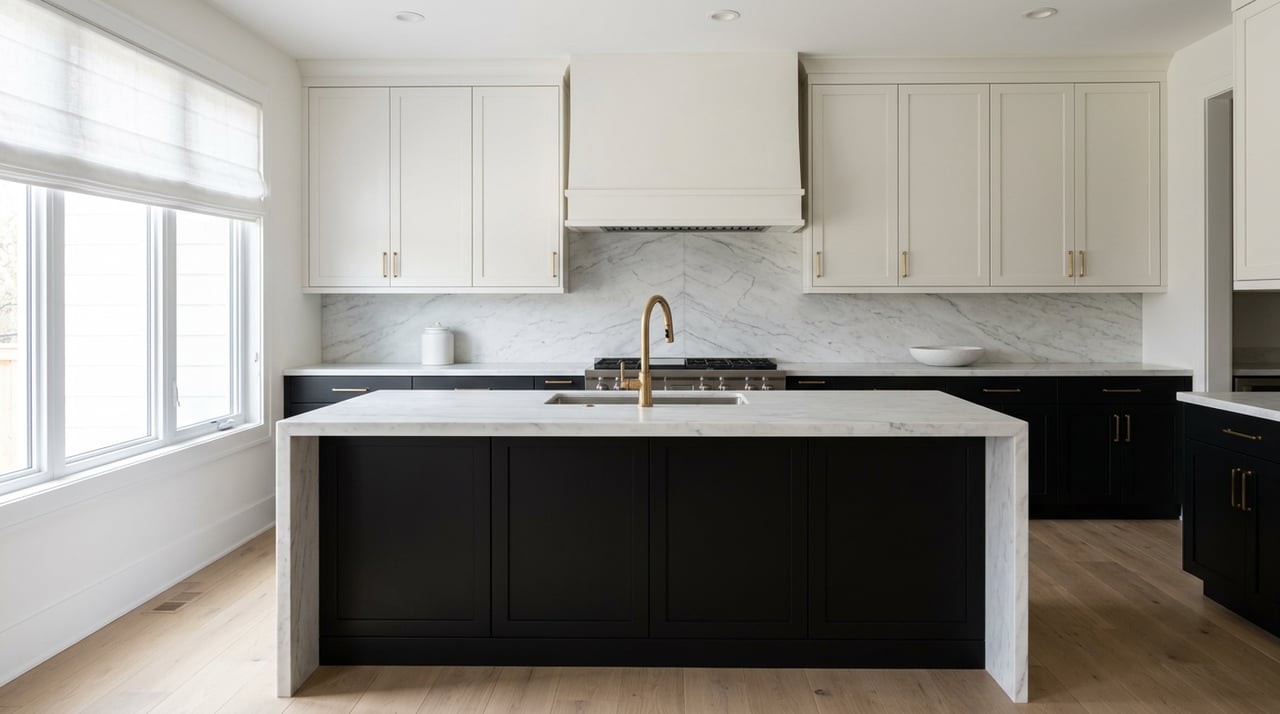
- Kitchen and primary bath remodels: These often show the strongest market support when materials and design align with neighborhood expectations.
- Functional improvements: Better layouts and usable spaces can add value, especially when they mirror what buyers prefer in nearby sales.
- Outdoor amenities: Pools and upscale outdoor living areas add value in some neighborhoods and less in others. The appraiser will look at comparable homes with and without those features.
Permits and documentation matter. Completed, permitted work is more credible. Unpermitted or incomplete projects can lead to cost-to-cure deductions or repair requirements. You can verify permit history through Cobb County building permits.
If you are planning a remodeling project, consult neighborhood-level data and consider regional benchmarks like the Remodeling Cost vs. Value report to set realistic expectations.
Time adjustments and measurement basics
When the market shifts, appraisers may apply a time adjustment to reflect rising or falling prices between the comp’s sale date and the appraisal’s effective date. The amount should be supported by paired sales or credible market indices.
Gross living area is measured to an accepted standard, and it excludes garages, porches, and unfinished basements. Finished basement space is typically valued separately from above-grade living area, based on local market support.
How to prepare for an appraisal
You can help the appraiser see the full picture by organizing key information and presenting the home well.
Documentation to share
- Copies of permits and final inspections for renovations
- Receipts and a short scope summary for recent updates: roof, HVAC, kitchen, baths
- Survey or plot plan, plus any known easements or encroachments
- A short list of relevant nearby closed sales for reference
- HOA amenities, covenants, and any special assessments
Home presentation tips
- Ensure safe access to all rooms, attic, crawlspace, and mechanicals
- Confirm utilities are on and systems operate
- Tidy up and address obvious maintenance items that are cost-effective to handle
Common misconceptions to avoid
- Renovation cost equals added value. The market may not pay dollar-for-dollar for every upgrade. Appraisers value what buyers consistently reward in your neighborhood.
- The listing price sets the appraisal. Appraisals rely on closed sales and market evidence, not asking prices.
- Active listings are reliable comps. They show what sellers want, not what buyers paid. Closed sales carry the most weight.
East Cobb pitfalls and special cases
- Over-improvement: A luxury-level renovation in a mid-market subdivision may not be fully supported by comparable sales.
- School boundary shifts: Appraisers try to compare within the same school zones when possible to reflect how buyers shop, using neutral, factual data.
- Lot and topography: Steep sites, drainage issues, or adjacency to busy corridors often require careful adjustments. Photos, invoices, and prior engineering reports can help.
- Limited comps: Unique floor plans or one-off designs may push the appraiser to widen the search area or consider the cost approach more heavily.
How local expertise helps your bottom line
An appraisal-style pricing approach can prevent painful surprises during underwriting or renegotiations. When your agent understands how appraisers select comps and justify adjustments, you get a more defensible price and smoother negotiations. You also avoid chasing the market with price cuts or scrambling after a low valuation.
At Rich & Heather Homes, our team blends a certified general appraiser’s mindset with deep East Cobb neighborhood knowledge and data-driven marketing. If you plan to sell or buy, we can help you price with precision, present with confidence, and advocate with clear evidence. Ready to talk through your home’s value? Connect with Heather Abernathy to Request a Free Home Valuation.
FAQs
In East Cobb appraisals, how close do comps need to be?
- Preferably within the same subdivision or micro-market, and often within 0.25 to 1.0 mile depending on neighborhood similarity, with closed sales from the last 3 to 6 months.
How do appraisers adjust for bedroom and bathroom differences in East Cobb?
- They use local market evidence such as paired sales to derive typical dollar impacts or cost-to-cure estimates; there is no universal amount, and MLS analysis drives the adjustment.
Will a new kitchen in East Cobb raise value dollar-for-dollar?
- Not usually; value is limited to what buyers in your neighborhood will pay, and appraisers compare to similar upgraded homes while giving the most credit to well-documented, permitted work.
Can East Cobb appraisals use comps outside the area?
- Yes, when local closed sales are insufficient, appraisers may expand the search and must explain why those sales are relevant, considering market similarity and practical buyer alternatives.
How do flood zones affect appraised value in East Cobb?
- Being in a mapped flood zone or having drainage issues can reduce marketability and value, and appraisers verify status using sources like the FEMA Flood Map Service Center.
What documents should I give an appraiser for an East Cobb home?
- Provide permits and final inspections for renovations, receipts for updates, a survey if available, notes on easements, HOA information, and a short list of nearby closed sales for reference.