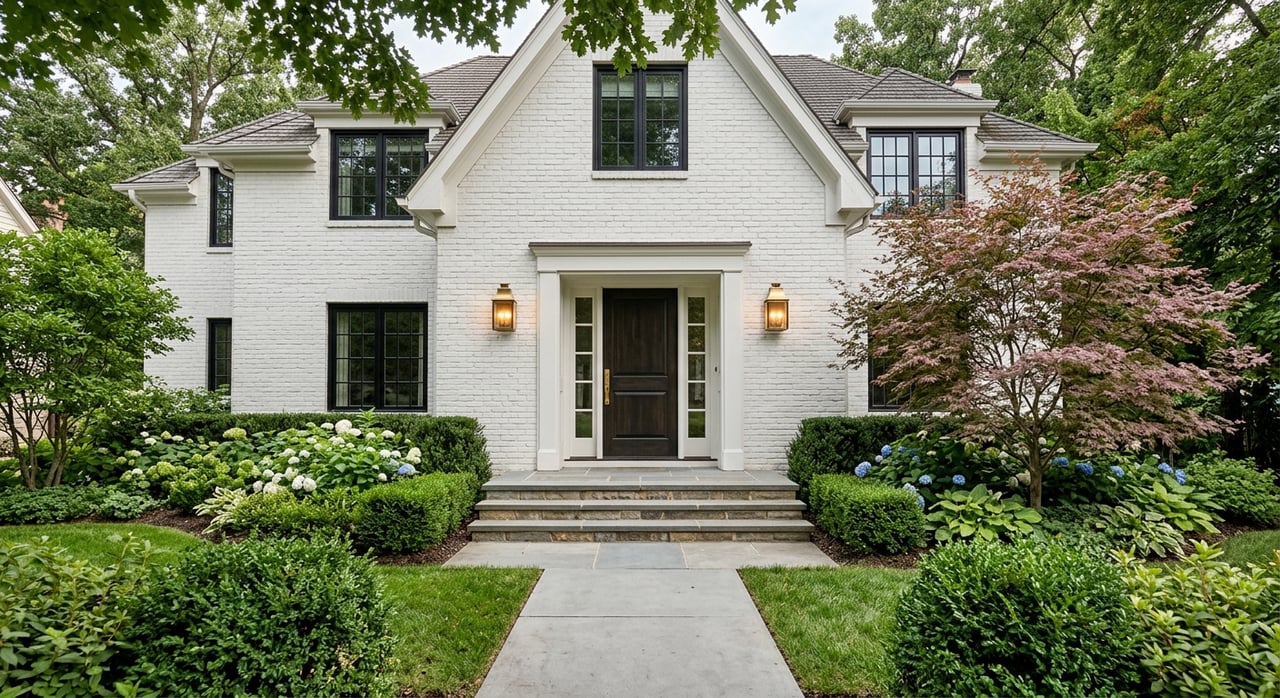
How to Read a CMA for East Cobb Home Value
July 9, 2026
July 9, 2026
Wondering why one East Cobb CMA says your home is worth one number, while another lands somewhere very different? You are not imagining it. In East Cobb, pricing can shift fast based on market area, school-zone boundaries, updates, and the exact comps used. If you understand how to read a CMA, you can spot weak pricing logic, ask smarter questions, and make more confident decisions. Let’s dive in.
A comparative market analysis, or CMA, is a pricing tool built from local comparable properties. It helps you understand where a home may fit in the current market based on recent sold homes, pending sales, and active listings.
That matters even more in East Cobb because this is not one flat pricing bucket. Redfin reports a median sale price of $532,321 in East Cobb over the three months ending May 2026, with homes selling in about 31 days, getting about 3 offers on average, and typically closing around 1% below list price. Hot homes can still go pending in about 13 days and sell around 1% above list.
At the county level, the broader Cobb market tells a different story. Typical home value in Cobb County is $428,984, down 2.6% year over year, with homes pending in around 30 days. That gap is a good reminder that East Cobb pricing needs neighborhood-level analysis, not countywide averages alone.
A CMA and an appraisal are not the same thing. A CMA is a pricing opinion prepared by a real estate professional using market data, while an appraisal is an independent third-party opinion often used by a lender.
That means a CMA should guide your strategy, not serve as a guaranteed final value. A strong East Cobb CMA gives you a well-supported pricing range and a clear explanation of how that number was reached.
The quality of a CMA depends on the quality of the comps. If the comp set is weak, the pricing conclusion will usually be weak too.
A solid CMA should include the most comparable closed sales, pending or contract sales, and current listings. Looking at only one category, especially active listings, can give you an incomplete picture because list prices show seller expectations, not what buyers have actually agreed to pay.
One of the biggest mistakes in pricing is assuming the closest homes are always the best comps. In reality, the best comp is the home that competes with yours in the same buyer pool.
That can mean a sale a little farther away is more useful than one just around the corner. A nearby property across a major road, county line, or school-zone boundary may attract different buyers and perform like a different market.
In East Cobb, school attendance zones often matter to buyers. Cobb County School District states that attendance-zone maps are for general information only, can change, and that students must attend the school in their established zone unless an exception applies.
For that reason, a CMA should not treat school zones as an afterthought. Address-level school-zone verification can be part of sound pricing analysis, especially when a home sits near a boundary.
Recent comps usually carry the most weight. Guidance commonly points to recent sales, and using homes sold within the last 12 months is preferred when possible.
Still, older sales can be appropriate when inventory is limited or when a home is unusually unique. If a CMA reaches farther back in time, it should clearly explain why those older comps were used and how market changes were considered.
Once the comps are chosen, the next step is the adjustment grid. This is where a CMA tries to account for differences between your home and each comparable sale.
If you skip this section, you miss the logic behind the number. If you learn to read it, you can tell whether the final value is grounded in evidence or built on rough guesses.
Real estate value is tied to a moment in time. If a comp went under contract months ago, the market may have changed by the time your home is being priced.
That is why time adjustments matter. In a shifting market, a sale from even a few months back may need an upward, downward, or neutral adjustment depending on what the market was doing between that contract date and the date of your CMA.
This is one area where many homeowners get tripped up. A home’s updates, maintenance, and overall quality should be judged on their own merits, not just compared casually to a nearby sale.
For example, a renovated older home in East Cobb may still not be treated exactly like a newer home if buyers see differences in layout, systems, or design appeal. A good CMA explains whether a home was considered updated, remodeled, or simply well maintained, and why that matters in the market.
If you spent heavily on improvements, it is natural to hope the market will return every dollar. But pricing does not work that way.
The adjustment should reflect what buyers in your part of East Cobb typically pay for that feature, not what it cost to install. A kitchen renovation, large addition, pool, or oversized garage may add value, but not always at full construction cost.
Not all location differences are obvious at first glance. Two homes may be close on a map but compete in different market areas.
A strong CMA may adjust for location when comps cross major roads, school-zone boundaries, or other lines that influence demand. This is especially important in East Cobb, where small boundary changes can shape buyer interest and pricing.
If a comparable sale included seller-paid closing costs or other concessions, that can affect how useful the sales price is. A thoughtful CMA should look at the market reaction to those concessions instead of treating them as a simple dollar-for-dollar subtraction.
That kind of nuance helps keep the final pricing conclusion realistic. It also shows whether one comp deserves more weight than another.
After adjustments are made, the indicated value should generally fall within the adjusted range of the comparable sales. If the suggested price sits far outside that range, you should expect a strong explanation.
That does not mean every home fits neatly in the middle. It does mean the final number should connect logically to the evidence on the page.
Some CMAs look polished but still miss the mark. Here are a few warning signs to watch for:
If you see one or more of these issues, it is worth asking for a deeper explanation before making a pricing decision.
You do not need to be an appraiser to ask smart questions. In fact, a good pricing conversation should make the process easier to understand, not harder.
Here are a few questions that can help you evaluate any East Cobb CMA:
If you are selling, a strong CMA helps you avoid two expensive mistakes: overpricing and leaving money on the table. Overpricing can cost you time and momentum, while underpricing can reduce your final proceeds.
If you are buying, understanding a CMA helps you judge whether a list price makes sense in the current East Cobb market. It can also help you decide when a home is priced competitively versus when it may need stronger negotiation.
In both cases, the goal is the same. You want pricing logic that is clear, local, and defensible.
When you review a CMA with appraisal-level discipline, you move from guessing to knowing. That is especially important in East Cobb, where the right comp set, the right boundaries, and the right adjustments can make a meaningful difference.
If you want a pricing conversation built on neighborhood nuance, market evidence, and clear reasoning, Heather Abernathy can help you make sense of the numbers and move forward with confidence.
Stay up to date on the latest real estate trends.






Discover your dream home, dream team. Experience our dedication to excellence and personalized service. Let us guide you through the journey of finding your perfect luxury home in the north Atlanta market.