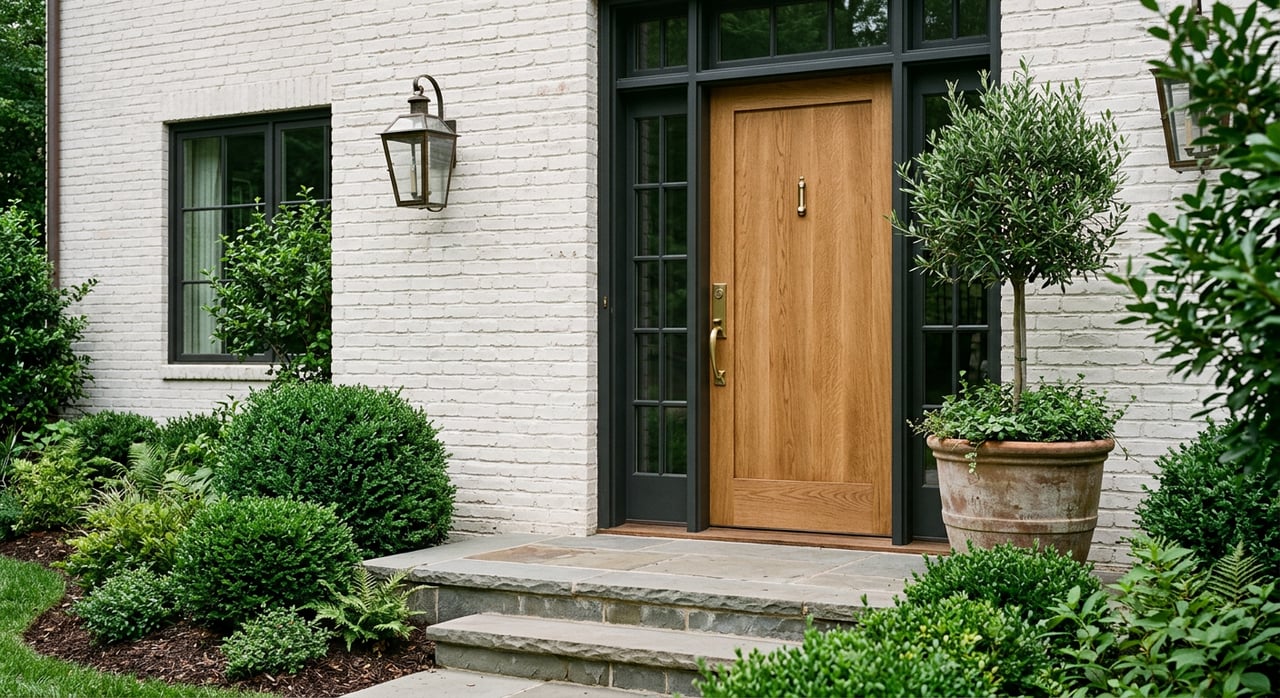
How to Price Luxury Homes Correctly in East Cobb
March 24, 2026
March 24, 2026
Pricing a luxury home in East Cobb can feel tricky. You know your home is special, yet you also need a number that attracts qualified buyers and sails through appraisal. If you get it wrong, you risk sitting on the market, making reductions, or dealing with a low appraisal after you are under contract. In this guide, you will learn how high‑end homes in East Cobb are valued, how to turn that analysis into a smart list price, and how to avoid costly missteps. Let’s dive in.
“Luxury” is local. Instead of using a national dollar cutoff, think in terms of the top 5 to 10 percent of recent sales within the specific East Cobb zip codes you care about, such as 30068, 30062, and 30066. That top slice moves with the market and neighborhood. As of February 2026, the broader East Cobb median sale price was about $500,000 according to a Redfin snapshot, but many country club and estate sections trade well above that. In other words, a price that is luxury in one part of East Cobb may be mid‑market in another.
What drives value here is a mix of established neighborhoods, larger lots, and access to respected school zones. Local school systems, including Walton, Lassiter, and Pope feeder patterns, are frequent value drivers for move‑up buyers who target East Cobb for a long‑term home. You can review general school context at the East Cobb community resource on schools, which helps explain why certain areas command stronger demand (EastCobb.com: schools overview).
For single‑family homes, the sales comparison approach is usually decisive. Appraisers locate the best recent, nearby sales that are most similar in location, size, condition, and quality. They then adjust for measurable differences so each comparable indicates what the subject would sell for if it shared the same features. When close and recent comps exist, this approach tends to control the final opinion of value. Guidance from the Appraisal Institute underscores how comparables are selected and how adjustments should be supported by market evidence (Appraisal Institute guide notes).
Time matters too. If the market has shifted since a comp sold, appraisers make a market‑change adjustment and must disclose how they supported it. Recent updates and education from Fannie Mae reinforce that time adjustments require explicit support and clear reporting (Fannie Mae Appraiser Update).
Custom construction, unique architecture, significant acreage, and high‑spec finishes can stretch the available data. When similar sales are scarce or a feature is unusual, the cost approach becomes more useful. It estimates what it would cost to build the home or replace the improvement today, subtracts depreciation, then adds land value. Appraisers often use this as a reasonableness test for unique elements when sales evidence is thin. Standards and scope expectations are set by USPAP, which governs professional appraisal practice (The Appraisal Foundation: USPAP).
This approach is rarely the driver for owner‑occupied luxury homes. It may be considered if the property includes a rentable accessory unit or is held as an investment, but for East Cobb luxury listings the market approach nearly always leads.
The best comps live in the same market area and share key traits with your home: similar lot size, gross living area, bed and bath count, age, condition, and quality. In luxury segments, appraisers often widen the search radius or time window since truly comparable, recent sales can be scarce. They must also explain why each comp was chosen and how every adjustment was derived, using accepted methods such as paired sales or market extraction (Appraisal Institute guide notes).
Appraisers look for market evidence that buyers in East Cobb pay for a feature at a measurable premium. Examples include high‑end kitchens, custom millwork, pools, guest houses, smart‑home systems, and extensive hardscape or landscape work. If there is no direct local sale with that exact feature, appraisers may rely on broader paired‑sale data, supported judgment, or the cost approach as a cross‑check.
Below is a simplified example of how an appraisal‑grade grid might communicate differences. It is illustrative, not a price quote.
| Item | Subject | Comp 1 | Comp 2 | Comp 3 |
|---|---|---|---|---|
| Location | Indian Hills section | Same area | Adjacent area | Same area |
| GLA | 4,800 sf | 4,650 sf | 5,050 sf | 4,800 sf |
| Lot | 0.6 ac | 0.5 ac | 0.8 ac | 0.6 ac |
| Condition | Renovated | Similar | Superior | Similar |
| Features | Pool, finished terrace | No pool | Pool, guest suite | Pool |
| Adjustments | Reference paired sales and time support | + for smaller GLA, + for no pool | − for larger GLA, − for superior condition | Minimal adjustments |
Note how the commentary column explains the rationale. Time adjustments, if any, should be noted and supported as required by current reporting guidance (Fannie Mae Appraiser Update).
A Comparative Market Analysis, or CMA, is your agent’s pricing and marketing tool. It considers active, pending, and closed sales to recommend a list range that will attract buyers. An appraisal is an independent opinion of value prepared under USPAP for a specific client, often a lender, and it requires deeper documentation for every adjustment. For high‑value or customized homes, it can be smart to secure both prior to listing so your strategy is both market‑savvy and defensible (The Appraisal Foundation: USPAP).
Build an appraisal‑grade grid with the three to five best closed comps. Show key differences like lot size, square footage, bed and bath count, finished basement or guest house, and condition. If you need to widen the time window or search radius, label it clearly and explain why. For unique features, include cost estimates, permits, and paired‑sale examples to demonstrate contributory value.
Once the grid supports a range, list near the middle or slightly below the top of that range. This reduces appraisal risk while still allowing competition to lift the final price. Overpricing above what your grid supports increases the chance of an appraisal gap later. Appraisal products also vary by loan type, so understand the rules that may apply if a buyer’s lender uses a desktop or hybrid report with specific scope requirements (Fannie Mae Selling Guide on desktop appraisals).
Luxury buyers and appraisers both respond well to clarity. When you market a custom feature, do three things:
This approach shows buyers why the home commands its position and gives appraisers the facts they need to support it.
Overpricing usually means fewer showings, longer days on market, and eventual price cuts that invite buyer skepticism. Research on information frictions in housing markets shows how suboptimal listing strategies can harm outcomes and reduce net proceeds once reductions begin (academic review of real estate frictions).
Appraisal risk is also real. If your contract price is not supported by comparable sales, most lenders will lend only up to the appraised value. Then you and the buyer must decide whether to renegotiate, split the gap, bring cash, or walk away. It is a common breakdown when bidding wars or escalation clauses push prices beyond what comps support. You can review common post‑offer steps and options in a practical consumer guide to appraisal outcomes (what happens after an offer is accepted).
Underpricing can create quick activity and multiple offers, but in a luxury segment it can also attract the wrong demand mix and leave money on the table. Balance is key. A transparent, evidence‑based list range usually produces stronger and smoother results.
Pricing a luxury home in East Cobb is equal parts heart and math. You deserve a plan that blends neighborhood nuance with appraisal‑grade analysis. Rich & Heather Homes is a boutique, family team with deep East Cobb roots, 200 plus closed sales and more than $115M in recent volume. The team pairs 40 plus years of experience from a certified general appraiser with data‑driven marketing and an associate broker who understands lending and portfolio analysis. That combination helps you price precisely, market strategically, and negotiate with confidence.
If you are considering a sale, let’s start with a clear, defensible valuation and a tailored plan to maximize your net. Reach out to Heather Abernathy to request a free home valuation.
Stay up to date on the latest real estate trends.
Discover your dream home, dream team. Experience our dedication to excellence and personalized service. Let us guide you through the journey of finding your perfect luxury home in the north Atlanta market.