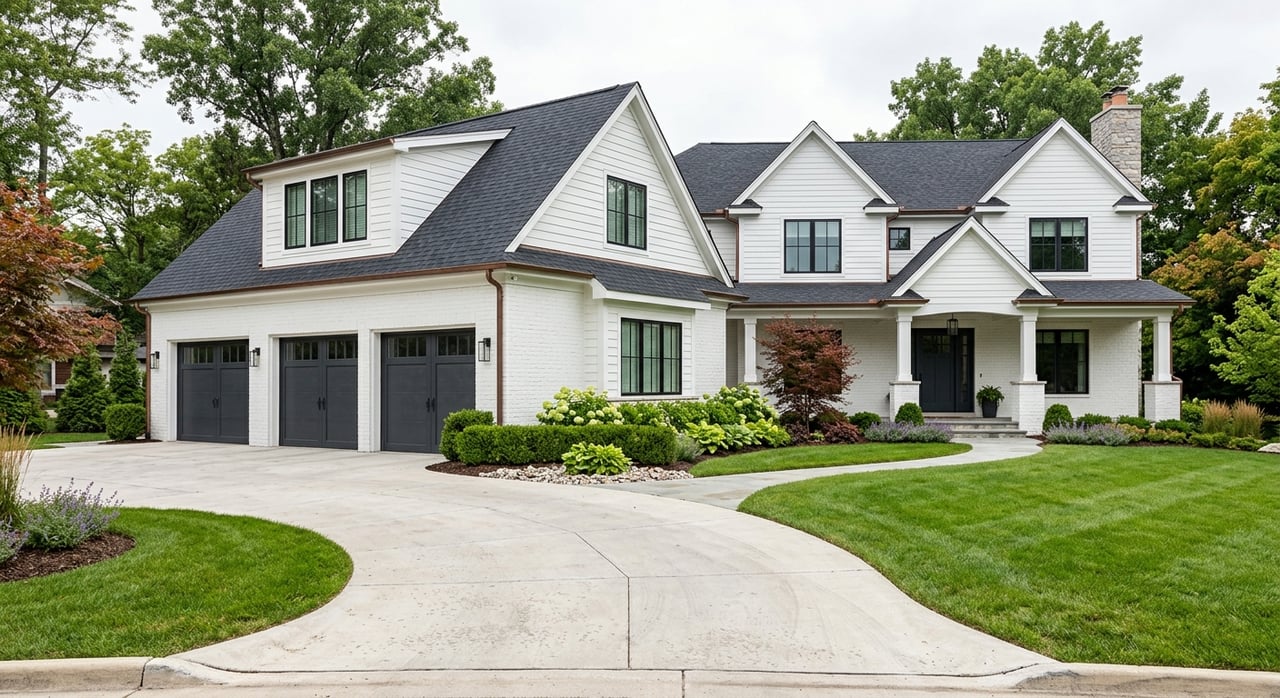
Essential Home Appraisal Tips for East Cobb Sellers
April 2, 2026
April 2, 2026
Worried that a home appraisal could slow down your sale or affect your bottom line? You are not alone. If you are selling in East Cobb, a strong appraisal matters because it helps support your contract price with lender-required documentation. The good news is that a little preparation can go a long way. Here is how to get ready, what to gather, and what to do if the value comes in lower than expected. Let’s dive in.
A home appraisal is an independent written opinion of value that a lender uses during the mortgage process. According to the Consumer Financial Protection Bureau, borrowers with a first-lien mortgage are entitled to receive a free copy of the appraisal no later than three days before closing.
It also helps to know what an appraisal is not. An appraisal is different from a home inspection. The appraiser focuses on value, while the inspector focuses on the condition and function of the home’s systems and components.
In East Cobb, local market context matters. Recent housing data shows a median sale price of $500,000 in East Cobb, compared with $435,917 in Marietta and $425,000 in Cobb County, according to local market data. That gap is one reason neighborhood-level comparable sales carry so much weight.
Appraisers do not rely on a quick online estimate. The Appraisal Institute notes that online value tools can be a starting point, but they may use unreliable information and miss important details. Lenders rely on professional appraisals because they are based on a fuller review of the property and the market.
Comparable sales are a major part of the process. Fannie Mae guidance on comparable sales says appraisers should use homes that are similar in site, room count, finished area, style, and condition, and they should use sales from the same market area when possible. In most cases, the report should include at least three closed comparable sales, usually from the last 12 months.
The appraiser also reviews the home itself. That includes amenities, condition, interior and exterior features, structure, upgrades, foundation, car storage, and appliances, based on guidance from the Appraisal Institute.
In a place like East Cobb, small differences can affect value. A sale from the same subdivision or a nearby competing neighborhood may tell a more accurate story than a broader county average. If your home is in an area with limited recent sales, Fannie Mae allows the appraiser to consider older sales, current listings, pending sales, or competing neighborhoods when necessary.
Visible condition can influence both value and lender decisions. Fannie Mae’s property condition requirements state that appraisers must report visible adverse conditions, deterioration, needed repairs, and deferred maintenance. They are not responsible for hidden issues, so what is visible on appraisal day matters.
You do not need to renovate your whole house before an appraisal. What you do need is a home that is clean, accessible, and easy to evaluate. The goal is to present accurate information and reduce visible red flags.
Start with routine maintenance. Fannie Mae’s maintenance guidance points to simple but important tasks like cleaning gutters and vents, checking for leaks and drainage issues, testing smoke detectors, and replacing air filters.
Next, make sure the appraiser can easily access the home. Since interior and exterior appraisals require visual inspection of accessible areas, clear clutter away from attic entries, utility areas, crawl space access points, and major systems where possible.
Here is a simple checklist to use before the appraiser arrives:
Not every improvement adds the same value. The Appraisal Institute says modest improvements often offer the best return when they bring a home up to community norms. Examples include neutral paint, updated fixtures, kitchen or bath improvements, added bedroom count, and curb appeal.
That is especially relevant in East Cobb, where buyers often compare homes closely within the same area. If your home has been updated in ways that improve condition or functionality, make sure those updates are documented clearly.
If your home has an uncommon layout or a feature that is unusual for the area, it may require more explanation in the report. Fannie Mae notes that unusual floor plans can face market resistance. That does not mean the feature has no value, but it may mean the appraiser needs stronger support from the market.
Good documentation helps the appraiser understand your home more accurately. A short, organized packet can be useful, especially if it highlights facts that may not be obvious during a walkthrough.
According to Fannie Mae and the Appraisal Institute, it helps to provide a clear summary of improvements and verify key facts such as bedroom count, bathroom count, square footage, additions, and modernization.
Bring together these items before the appointment:
If your renovation included additions or structural work, permit records are especially important. Fannie Mae requires appraisers to comment on additions that do not have the required permit. In Cobb County, the inspections office handles residential additions and remodeling in unincorporated areas.
In some cases, yes. The Appraisal Institute says homeowners may accompany the appraiser and share important information if the lender allows it. The key is to be helpful, factual, and brief.
This is not the time to pressure the appraiser or argue for a number. Instead, provide useful facts, point out recent improvements, and share your upgrade list or comparable sales packet if your agent has prepared one.
A low appraisal does not always mean the deal is over, but it can change the next steps. It may lead to renegotiation, a larger cash requirement for the buyer, or a delayed closing. If major repairs are noted, the lender may also require repairs before closing or request funds to cover them, according to the Appraisal Institute.
The first step is to review the report carefully as soon as it is available. The CFPB explains that lenders must provide a free copy promptly and no later than three days before closing.
If you spot factual errors or missing information, there may be a path forward. In 2024, federal agencies finalized reconsideration of value guidance that allows borrowers or lenders to point out missing facts, factual mistakes, or valuation issues that may not have been considered.
The best appraisal prep starts before your home ever goes under contract. A pricing strategy based on realistic, neighborhood-specific comparable sales can reduce surprises later. In a market like East Cobb, where price points can vary meaningfully from nearby areas, local valuation skill matters.
That is one reason sellers benefit from guidance grounded in both neighborhood knowledge and appraisal logic. When your pricing, presentation, and documentation all support the same story, you put yourself in a stronger position from listing through closing.
If you are preparing to sell and want a data-backed plan for pricing, updates, and market positioning in East Cobb, connect with Heather Abernathy. You will get thoughtful guidance rooted in local experience and appraisal-minded strategy.
Stay up to date on the latest real estate trends.






Discover your dream home, dream team. Experience our dedication to excellence and personalized service. Let us guide you through the journey of finding your perfect luxury home in the north Atlanta market.